
The psychology behind high-stakes gambling decisions
The allure of high-stakes gambling
High-stakes gambling captivates many individuals due to the thrilling atmosphere and potential for significant financial gain. The blend of excitement and risk creates a unique environment where emotions run high, making decisions more challenging. Players often find themselves in a state of exhilaration, fueled by the adrenaline rush that accompanies each bet. This psychological thrill can overshadow rational thinking, leading to impulsive decisions that may result in substantial losses or unexpected wins. To facilitate this experience, it’s essential to access the right resources, such as https://1xbetapk.ie/registration-and-login/, which provide valuable information on how to navigate this world.

The excitement surrounding high-stakes games is often exacerbated by social dynamics. Many gamblers relish the idea of being part of an elite group, where large sums of money are at stake. This social validation, combined with the fear of missing out, can push individuals to take risks they would typically avoid in more mundane circumstances. As a result, the environment becomes a breeding ground for high-stakes decisions, influenced heavily by peer pressure and the desire for status.
Moreover, the psychology of loss aversion plays a crucial role in high-stakes gambling. Many gamblers are more motivated by the fear of losing what they have than the excitement of winning more. This can lead to a cycle of chasing losses, where players continue to gamble in hopes of recouping what they have lost. The emotional turmoil involved in such decisions illustrates the intricate relationship between psychology and gambling, demonstrating how emotions can overpower logical reasoning.
The role of cognitive biases
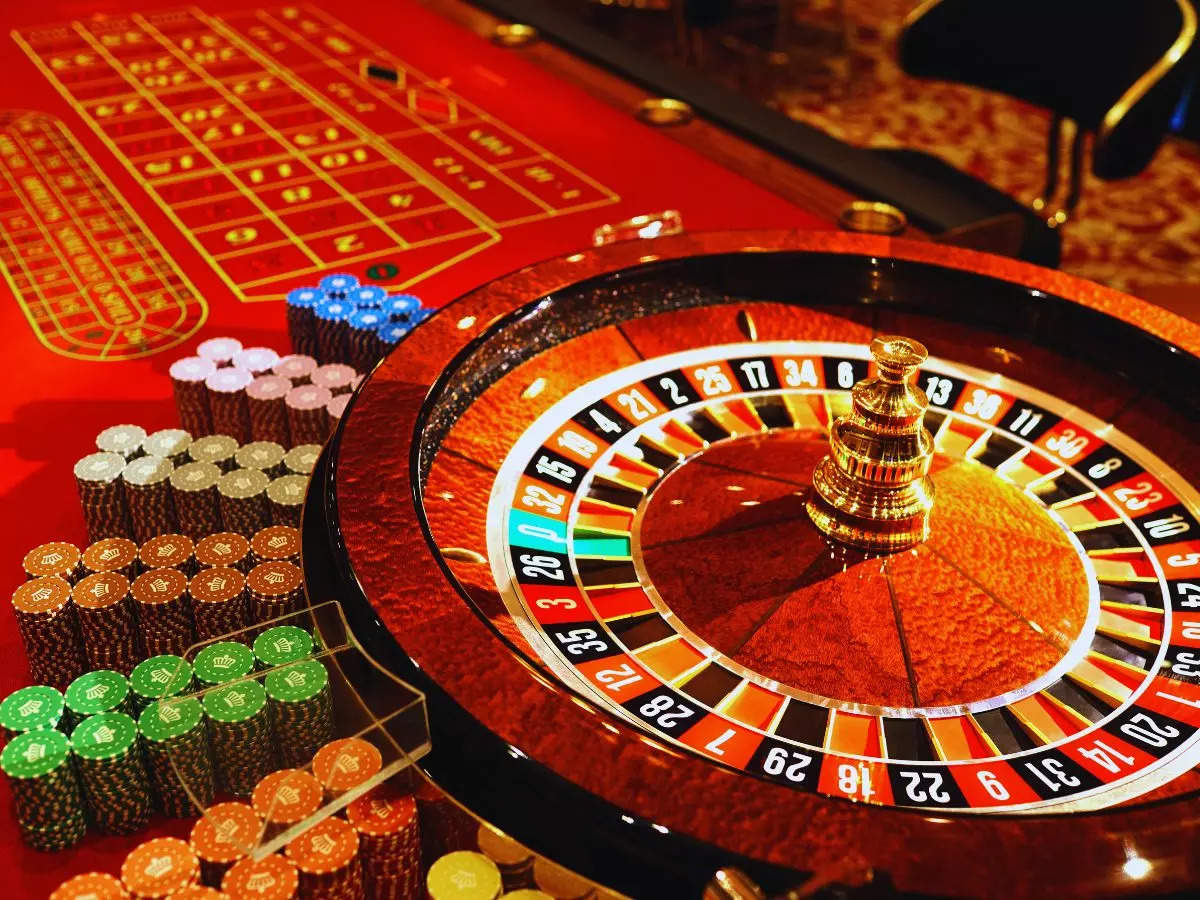
Cognitive biases significantly influence high-stakes gambling decisions, often steering players away from rational choices. For instance, the gambler’s fallacy—a belief that past outcomes can influence future results—can lead individuals to make poor decisions. A player might feel convinced that a particular number is “due” to win, even when each spin or roll is an independent event. This flawed reasoning can result in substantial financial losses, as players bet larger sums based on misguided beliefs.
Confirmation bias also plays a vital role in high-stakes gambling. Gamblers tend to remember their wins and overlook their losses, leading to an inflated sense of confidence. This selective memory can encourage further gambling, as players reinforce their belief in their abilities and strategies. The combination of these cognitive biases creates a dangerous environment where decisions are often made under the influence of distorted perceptions, steering players further into the high-stakes world.
Additionally, overconfidence in decision-making can cloud judgment. Many gamblers may feel they possess a unique insight or skill that gives them an advantage over others. This overestimation of one’s abilities can lead to reckless bets and larger wagers, as individuals chase after a perceived edge. The blend of cognitive biases and overconfidence can create a perfect storm for making poor decisions, highlighting the complex psychological landscape of high-stakes gambling.
The impact of emotion on decision-making
Emotions play a pivotal role in high-stakes gambling decisions. The thrill of potential victory, paired with the anxiety of possible loss, creates a heightened emotional state. This emotional intensity can impair judgment, leading to hasty decisions driven by temporary feelings rather than rational analysis. For example, a player who wins a significant amount may become overconfident, wagering more than they typically would in a calmer mindset.
Conversely, the emotional toll of losing can spur gamblers to adopt risky behaviors in pursuit of recovery. This phenomenon, known as the “loss chasing” effect, illustrates how emotions can heavily influence decision-making. Individuals might raise their bets in a desperate attempt to compensate for previous losses, often leading to further financial harm. The emotional rollercoaster of winning and losing encapsulates the psychological complexities involved in high-stakes gambling.
Furthermore, the concept of emotional regulation is crucial in understanding gambling behavior. Players who struggle to manage their emotions may find themselves caught in a cycle of irrational betting. Effective emotional regulation can allow for more level-headed decision-making, but many gamblers lack this skill, leading to impulsive actions. By recognizing the emotional aspect of gambling, individuals can better navigate their decisions, potentially reducing their risk of significant losses.
Strategies for responsible gambling
Responsible gambling strategies can significantly alter the high-stakes experience, promoting healthier decision-making practices. One effective method is setting strict limits on both time and money spent gambling. By establishing predefined boundaries, players can prevent themselves from getting swept up in the emotional highs and lows of gambling. This structured approach encourages a more mindful engagement with the activity, fostering a balance between enjoyment and risk management.
Another strategy involves self-awareness and education. Understanding the psychological mechanisms at play can help individuals recognize when they might be falling into common traps like cognitive biases and emotional decision-making. By educating themselves about the dynamics of gambling, players can become more adept at identifying their triggers and responding appropriately. This knowledge can empower gamblers to make informed decisions that align with their financial and emotional well-being.
Lastly, seeking support from responsible gambling programs can be invaluable. Many organizations offer resources for those struggling with gambling addiction or those looking to improve their gambling habits. These programs often provide guidance on recognizing problematic behaviors and developing healthier strategies for engagement. By prioritizing responsible gambling, players can enjoy the excitement of high-stakes environments while minimizing the risks associated with impulsive decisions.
Enhancing your gambling experience with 1xBet
At 1xBet, we prioritize responsible gambling while ensuring you have an exciting experience. Our platform offers a wide variety of games and betting options, catering to both novice and seasoned gamblers. With user-friendly interfaces and comprehensive guides, players can navigate the world of gambling with confidence, making informed decisions every step of the way. Our focus on security ensures that your personal information remains protected as you engage in high-stakes betting.
Moreover, we provide robust support resources for our users. Whether you have questions about responsible gambling or need assistance navigating our platform, our dedicated support team is available to help. We believe that an informed player is a more responsible player, so we strive to enhance your understanding of gambling dynamics while you enjoy your favorite games. By utilizing our resources, you can develop a healthier approach to high-stakes gambling.
Ultimately, 1xBet aims to create an engaging and safe environment for all players. By blending entertainment with responsible practices, we aspire to redefine the gambling experience. Our commitment to user security and well-being sets us apart, ensuring you can enjoy the thrill of high-stakes gambling without compromising your peace of mind.
